Showing 25–28 of 28 results



How Do Amino Acids Support Muscle Growth and Everyday Health?
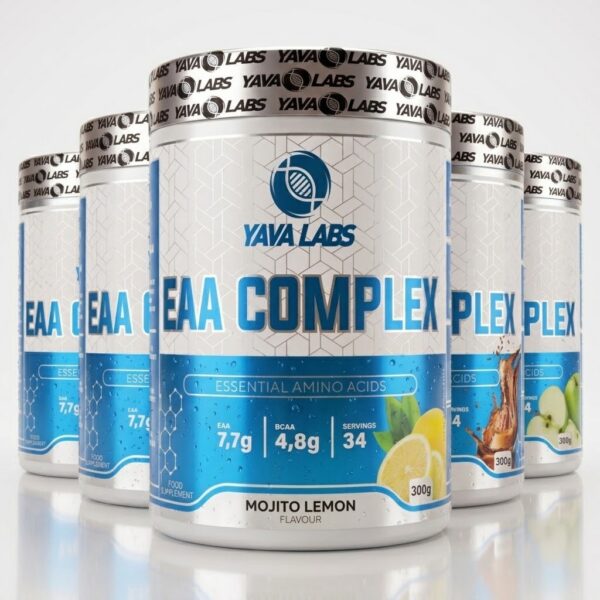
Amino acids are the building blocks of protein and contribute to numerous processes throughout the body, including muscle development, tissue maintenance, enzyme production and energy metabolism. In sports nutrition, amino acid supplements are commonly used to complement dietary protein intake and support training routines. They are available in different formulations, including essential amino acids (EAAs), branched-chain amino acids (BCAAs) and individual amino acid products. NutriCoach in Qatar offers options such as Applied Nutrition Amino Fuel EAA, BCAA Amino Hydrate, Yava Labs EAA Complex and individual formulations containing taurine, lysine and L-theanine.
Why Amino Acids Matter:
The body uses 20 amino acids to build proteins and maintain tissues. Nine are classified as essential amino acids because the body cannot produce them in sufficient quantities, so they must come from food or supplementation. These include leucine, isoleucine and valine, collectively known as branched-chain amino acids. Amino acids are involved in muscle protein synthesis, neurotransmitter production and several metabolic processes. Their different functions explain why supplements are available in both combined formulas and single-ingredient formats.
Benefits of Amino Acids:
- Support Muscle Protein Synthesis: Essential amino acids provide the building blocks required to produce new muscle proteins, supporting muscle maintenance and development alongside appropriate resistance training.
- Complement Exercise Nutrition: EAA and BCAA formulations provide specific amino acids that can be incorporated into pre-training, intra-workout or post-training nutrition routines.
- Contribute to Tissue Maintenance: Amino acids are required for the production and renewal of proteins throughout the body, including those found in muscles and other tissues.
- Support Multiple Body Functions: Individual amino acids participate in processes such as energy metabolism, neurotransmitter production and the synthesis of compounds required for normal physiological activity.
- Offer Targeted Supplement Options: Different formulations allow users to select specific amino acids or combinations according to their nutritional priorities, training routines and dietary intake.
FAQs About Amino Acids:
What is the difference between essential and non-essential amino acids?
Essential amino acids must be obtained through food or supplementation because the body cannot produce them. Non-essential amino acids can be synthesised by the body, although they are also available through dietary protein.
What are BCAAs and EAAs?
BCAAs are supplements formulated with three essential amino acids: leucine, isoleucine and valine. EAAs are formulated with all nine essential amino acids. Both are available as standalone amino acid supplements, but EAAs provide a more complete combination of the amino acids required for muscle protein synthesis.
Can amino acid supplements replace protein powder?
No, because they serve different nutritional purposes. Protein powders provide complete or substantial protein sources, while amino acid supplements supply selected amino acids. They should be considered within overall daily protein intake.
When should I take amino acid supplements?
Timing depends on the formulation and intended use. Some products are designed for use around training, while individual amino acid supplements may have different serving instructions.
How do I choose an amino acid supplement?
Check which amino acids the product contains, their quantities per serving and the recommended usage. Consider your dietary protein intake and training goals when comparing EAA, BCAA and individual formulations.
Wholesale Inquiries
Looking to purchase supplements in bulk? We offer special wholesale pricing for gyms, health stores, and resellers. For wholesale orders, please contact us directly at info@nutricoach.qaShop by Category
Copyright © 2026 NutriCoach. All Rights Reserved. Powered by Nuance Digital
Product was successfully added to your cart!