Showing 1–12 of 38 resultsSorted by latest





How Can Herbal Supplements Complement Your Health and Wellness Routine?
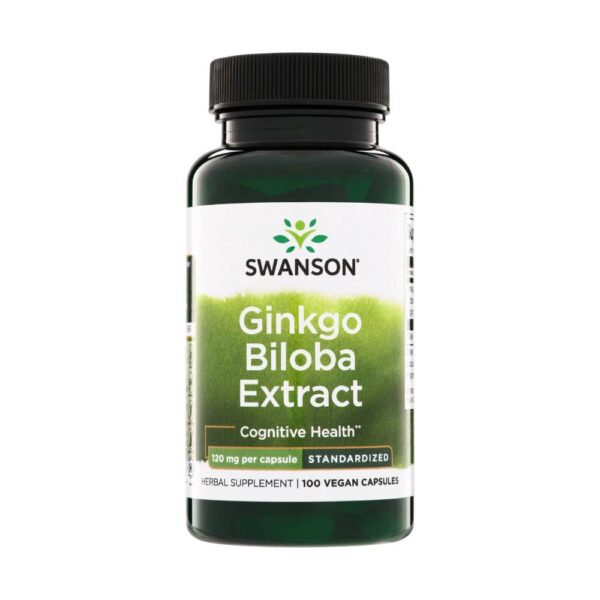
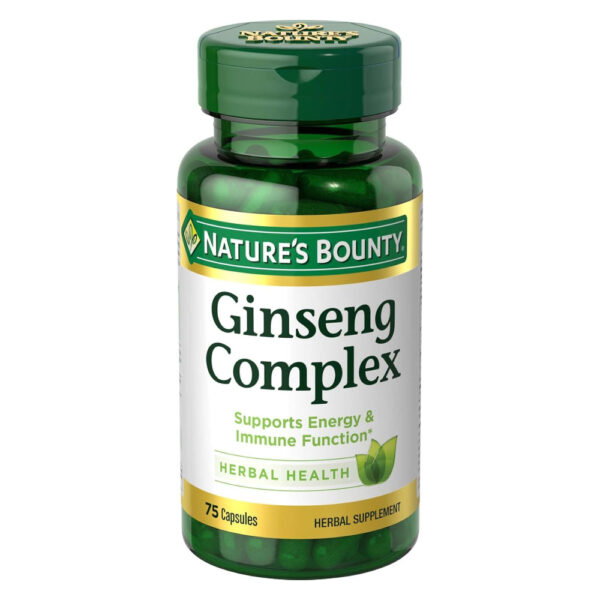
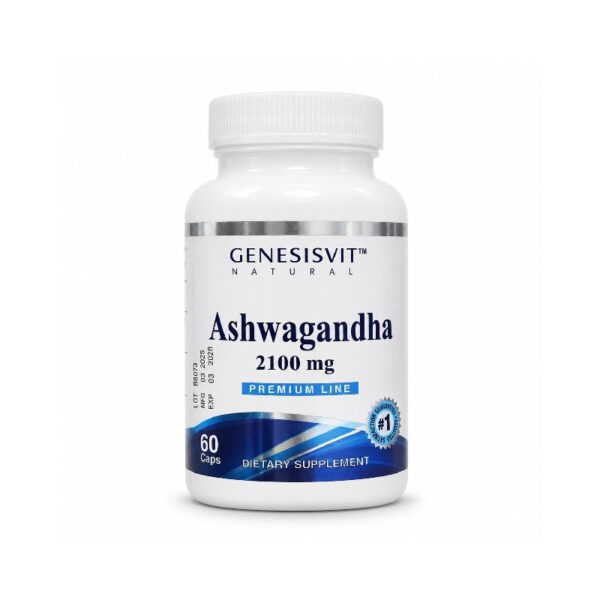
Herbal supplements use plant-derived ingredients, including roots, leaves, flowers, seeds and concentrated extracts, to complement everyday nutrition and wellness routines. Different botanicals have distinct compositions and traditional uses, making this a varied category rather than a single type of supplement. Common ingredients include ashwagandha, ginkgo biloba, rhodiola, turmeric, ginseng and berberine. NutriCoach in Qatar offers a broad selection of herbal products, including Applied Nutrition Ashwagandha, Doctor’s Best Ginkgo, Futurebiotics Rhodiola Rosea, turmeric extracts and several botanical blends.
Why Herbs Matter:
Plants naturally contain bioactive compounds such as polyphenols, flavonoids, terpenes and other phytochemicals. These substances contribute to a plant’s characteristics and are studied for their roles in different biological processes. Herbal supplements concentrate selected plant materials into convenient formats, allowing consumers to include specific botanicals in their nutritional routines. Their intended uses vary: ashwagandha is commonly associated with adaptogenic formulations, ginkgo is traditionally used in products targeting cognitive wellness, while turmeric provides curcumin-containing extracts. Understanding the ingredient and its formulation is important when choosing a product.
Benefits of Herbs:
- Plant-Based Bioactive Compounds: Herbal ingredients provide naturally occurring compounds, including polyphenols and flavonoids, which are studied for their antioxidant properties and roles in various biological processes.
- Support for Everyday Wellness Routines: Botanicals such as ashwagandha and rhodiola are commonly included in formulations designed around stress management, relaxation and general wellbeing.
- Cognitive Wellness Formulations: Ingredients such as ginkgo biloba have a long history of traditional use in products associated with memory, concentration and cognitive health.
- A Variety of Nutritional Applications: Different herbs and plant extracts are used in formulations targeting areas such as general wellness, digestive health, metabolic health and vitality, depending on the ingredient.
- Convenient Supplement Formats: Capsules, tablets, powders, softgels and herbal blends make it easier to incorporate selected botanical ingredients into an established daily routine.
FAQs About Herbs:
What are herbal supplements?
Herbal supplements are products made from plants or their extracts. They may contain a single botanical ingredient or a combination of different herbs in concentrated formulations.
What is the difference between an herb and an herbal extract?
An herb may be used in its whole or powdered form, while an extract is produced by separating selected compounds from plant material. Extracts may also be standardised to contain a specified amount of particular constituents.
What are adaptogenic herbs?
Adaptogens are botanicals traditionally used in formulations intended to help the body manage everyday stress. Ashwagandha and rhodiola are two commonly recognised examples.
When should I take herbal supplements?
Timing depends on the specific ingredient and formulation. Follow the product label, as recommended serving sizes and usage instructions differ between products.
Can herbal supplements be combined with other supplements or medication?
Some herbs can interact with medicines or other supplements. Check the ingredients carefully and seek advice from a qualified healthcare professional before combining products, particularly if you take regular medication.
Wholesale Inquiries
Looking to purchase supplements in bulk? We offer special wholesale pricing for gyms, health stores, and resellers. For wholesale orders, please contact us directly at info@nutricoach.qaShop by Category
Copyright © 2026 NutriCoach. All Rights Reserved. Powered by Nuance Digital
Product was successfully added to your cart!