Showing 1–12 of 27 results




How Does Whey Protein Support Muscle Growth and Recovery?
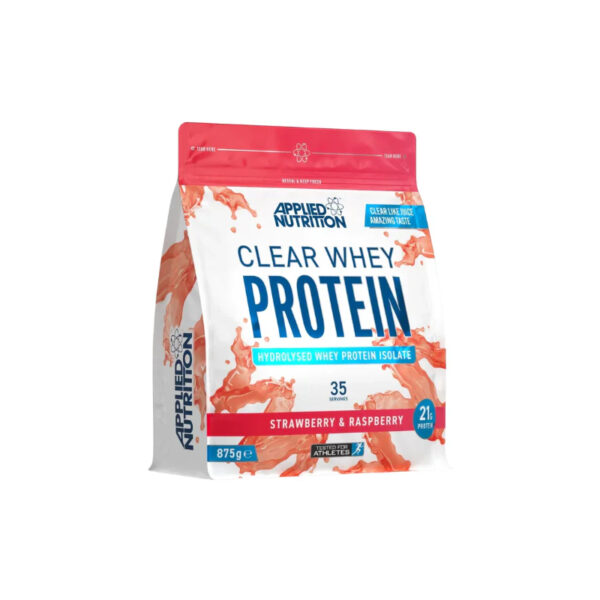
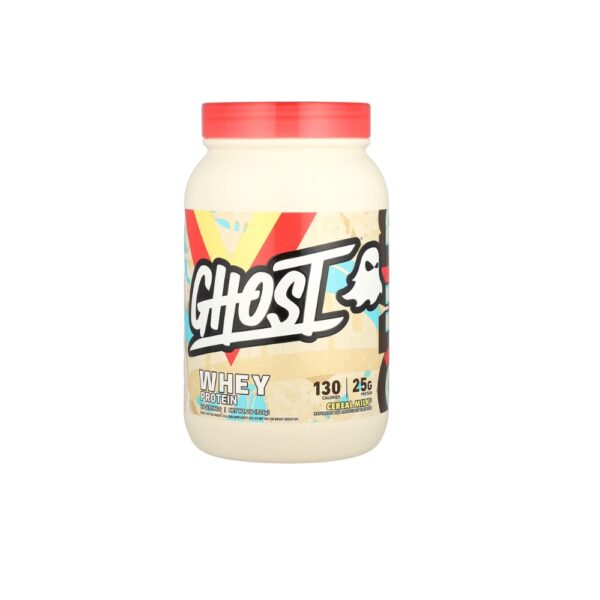
Whey protein is a milk-derived protein that provides all nine essential amino acids required by the body. It is widely used by people who strength train, participate in sports or want a convenient way to increase their daily protein intake. Available in several forms, including concentrate, isolate and clear whey, it can suit different nutritional preferences and training goals. NutriCoach in Qatar offers a varied selection, with options such as Yava Labs Pure ISO Whey, Dymatize Elite Whey, Applied Nutrition Clear Whey and several isolate-based formulations.
Why Whey Protein Matters:
Protein supplies the amino acids needed to build, maintain and repair body tissues, including skeletal muscle. During resistance training, muscle protein is broken down and rebuilt as the body adapts to exercise. Consuming sufficient protein throughout the day provides the building blocks for this process. Whey is particularly popular in sports nutrition because it is a complete protein with a high proportion of essential amino acids, including leucine, which plays a key role in stimulating muscle protein synthesis. A shake can also make it easier to meet daily protein requirements when meals alone do not provide enough.
Benefits of Whey Protein:
- Supports Muscle Growth: Whey provides essential amino acids that contribute to muscle protein synthesis. Combined with progressive resistance training and adequate nutrition, it supports the development of lean muscle mass.
- Helps Maintain Muscle: Adequate protein intake helps preserve muscle tissue, making whey a useful option during periods of weight management, reduced calorie intake or changes in training routines.
- Supports Post-Exercise Recovery: Protein supplies amino acids used in the repair and remodelling of muscle tissue following physical activity, supporting the body’s adaptation to regular training.
- Convenient Daily Protein Intake: Powder formats are easy to prepare and can be added to a routine between meals, after training or whenever an additional source of protein is needed.
- Offers Different Formulations: Concentrates, isolates and clear whey provide different nutritional profiles and textures, giving users options based on protein targets, dietary preferences and taste.
FAQs About Whey Protein:
What is the difference between whey concentrate and isolate?
Whey concentrate retains more of the naturally occurring lactose, fat and carbohydrates. Isolate undergoes additional processing to provide a higher proportion of protein, generally with less lactose, fat and carbohydrates.
What is clear whey protein?
Clear whey is typically made using whey protein isolate and formulated to mix into a lighter, juice-like drink rather than a traditional creamy shake.
When is the best time to take whey protein?
It can be consumed after exercise, between meals or at another convenient time. Meeting your overall daily protein requirement is more important than relying on a narrow post-workout window.
Can beginners use whey protein?
Yes. Whey can be a convenient protein source for beginners as well as experienced athletes. The amount needed depends on total daily protein intake, diet and activity level.
How do I choose the right whey protein?
Compare protein per serving, calories, carbohydrate and fat content, ingredients and serving size. Consider whether concentrate, isolate or clear whey best fits your nutritional needs and preferences.
Wholesale Inquiries
Looking to purchase supplements in bulk? We offer special wholesale pricing for gyms, health stores, and resellers. For wholesale orders, please contact us directly at info@nutricoach.qaShop by Category
Copyright © 2026 NutriCoach. All Rights Reserved. Powered by Nuance Digital
Product was successfully added to your cart!